
RTDs in 2025: The Retailer’s Guide to the Fastest-Growing Beverage Format
Introduction
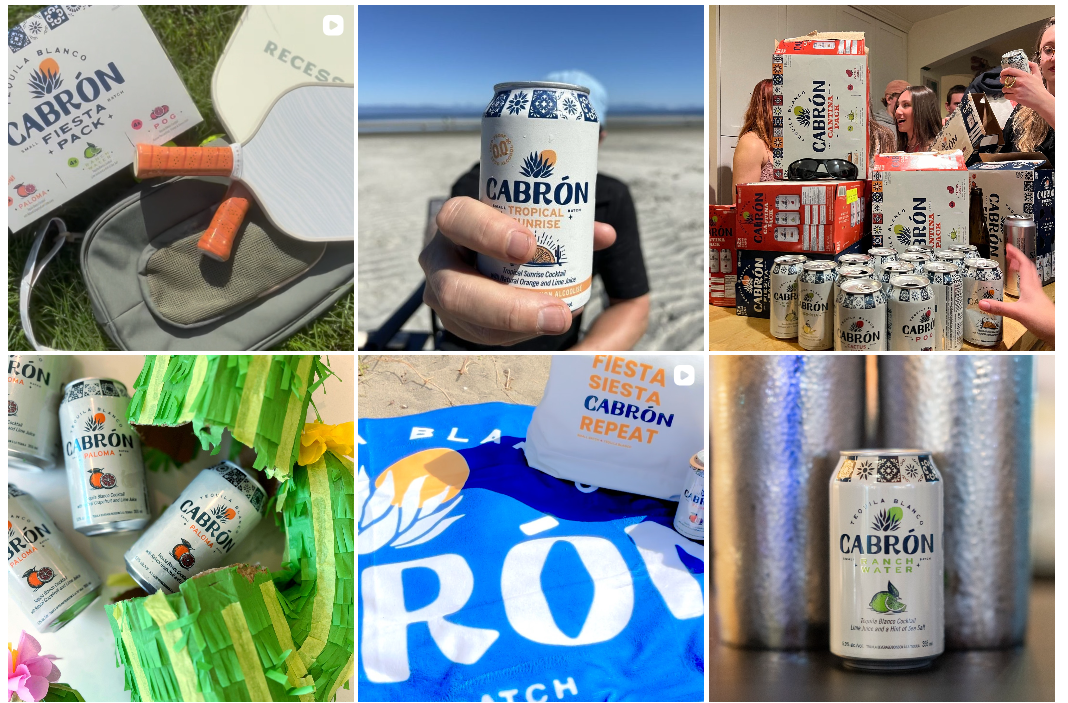
Ready-to-Drink (RTD) beverages are no longer a niche product. They’ve evolved into a powerhouse category reshaping retail beverage strategies worldwide. Whether it’s a vodka iced tea, a tequila soda, or a clean-label gin spritz, RTDs are outperforming legacy formats in convenience, consumer appeal, and profitability.
For retailers and importers across Asia, Latin America, and beyond, this guide explains why RTDs should command shelf space—and how to talk about them to your customers. At PACRIM, we’ve shipped thousands of cases across 21 countries and have firsthand insight into what’s driving the category’s growth.
1. What Are RTDs (and Why Are They Surging?)
RTDs are pre-mixed alcoholic drinks—typically spirit- or wine-based—packaged for convenience and shelf stability. They align with today’s consumer values: fast, portable, better-for-you, and story-driven.
According to IWSR (2024), RTDs are growing at 15% CAGR globally, far outpacing traditional beer. In Japan, Singapore, and Hong Kong, RTDs are already mainstream in both grocery and convenience channels.
2. What Makes RTDs Appealing to Retailers and Consumers Alike
Shelf Stability & Storage
RTDs typically carry a 24–36 month shelf life
No refrigeration required (ambient storage)
Reduced risk of spoilage or outdated stock
Shipping Efficiency
RTDs are packaged in slimmer, lighter formats (typically 355ml cans)
Fit up to 12% more cases per 40ft container compared to craft beer
No reefer container required, reducing freight cost
Retailer-Friendly Format
Easy to merchandise in fridges, displays, or point-of-sale locations
Minimal need for consumer education (flavors are familiar: lemon iced tea, mango, lime soda)
Fast-moving SKUs with high turnover
Consumer-Centric Design
Clean label ingredients, natural flavors, and sugar-free options
Inspired by cocktails, with premium positioning
Appeal to non-beer drinkers and wellness-conscious buyers
Longer Shelf Life = Better Margins
Longer shelf life means fewer returns and more predictable sell-through
Stocking efficiency increases, especially in hot or remote markets
3. How RTDs Compare to Craft Beer
FeatureRTDsCraft BeerShelf Life24–36 months9–12 monthsStorageAmbientRequires cold chain/logisticsShipping~12% more cases/containerLower efficiencyFlavorsFamiliar (teas, fruit)Requires style educationConsumer CurveLowMediumMargin StabilityHighVariable (based on freshness)
4. Talking Points for Retailers: How to Sell RTDs
Not every retail buyer is familiar with RTDs. Here’s a quick way to position them:
“Would you like to carry a Canadian-made product with clean ingredients, a 2-year shelf life, no refrigeration requirement, and packaging that speaks for itself? Our RTDs combine the quality of a cocktail with the convenience of a soft drink—perfect for summer, gifting, or everyday sales.”
When to Pitch RTDs:
Before major seasonal events: summer, New Year, Lunar New Year, wedding season
For new retailers looking for easy-to-merchandise SKUs
In markets with warm climates or limited cold chain infrastructure
Who Buys Them?
Consumers aged 21–40, especially Gen Z and Millennials
Women are a driving force in RTD consumption (Euromonitor, 2024)
Non-beer drinkers, wellness-conscious consumers, travelers, and gift buyers
5. Retail Best Practices: How to Maximize RTD Sales
Stock by Occasion, Not Just Brand
Group RTDs by occasion (e.g., “Beach & BBQ,” “Cocktail Night,” “Low-Cal Sips”)
Cross-promote with snacks, mixers, or travel coolers
Use Storytelling
Highlight Canadian water purity, eco-friendly packaging, and no-sugar claims
Use shelf talkers or QR codes that explain the flavor and origin
Train Sales Staff
Provide talking points: “This is a vodka iced tea made with Canadian spring water and natural lemon flavor. No sugar, long shelf life, and a lighter option than beer.”
Promotions that Work
Mix & match discounts on 4-packs
Seasonal displays with lifestyle branding
GWP (Gift With Purchase) or loyalty tie-ins for multipacks
6. Why Canada Is the Perfect RTD Origin
Canadian beverages benefit from:
Clean water sources, a key selling point for premium beverages
High production standards and food safety
Globally recognized alcohol brands in vodka, gin, and whisky
Sustainability cues: aluminum cans, minimalist packaging, plant-based inks
When importing from Canada, you’re not just getting product—you’re importing trust.
Conclusion
RTDs are not a passing trend. They are built for the realities of 2025 retail: shelf-stable, convenient, flavorful, and low-friction. For retailers and distributors, the category offers strong margins, strong consumer pull, and operational advantages over traditional beer.
If you’d like help identifying which Canadian RTDs are right for your market, we’re happy to help build a customized selection—flavor-forward, logistics-friendly, and designed to perform.
Let’s get started.
About PACRIM PACRIM Distributors exports Canadian craft beer, cider, and RTDs to 21 countries, helping retailers and importers build best-in-class portfolios. Learn more at www.pacrimdistributors.com.