
2026 Beer Branding Trends Deep Dive
The State of Beer Branding in 2025
The global beer market is no longer defined by volume alone. It is defined by clarity, discipline, and brand intent. As competition intensifies across mature and emerging markets alike, breweries that win are those that understand branding not as surface-level design, but as a commercial strategy that directly impacts velocity, distribution success, and long-term brand equity. We’re seeing some amazing and unique things not only in Canada, but in some of the least expected countries as well.
At PACRIM Distributors, we work at the intersection of brand and market access. Exporting beer across Asia, the Americas, and beyond gives us a front-row view into what resonates at shelf, what travels well across cultures, and what ultimately converts with buyers and consumers. In 2026, the gap between brands that scale internationally and those that stall is widening, and branding is one of the defining variables.
This review explores the strategic shifts shaping beer branding today, from portfolio strategy and brand architecture to packaging systems and category expansion. The throughline is simple. Strong brands remove friction. They communicate quickly. They travel cleanly across borders, channels, and consumer expectations.
For breweries looking to grow beyond their home market, branding is no longer optional infrastructure. It is a prerequisite for export readiness and sustainable growth.
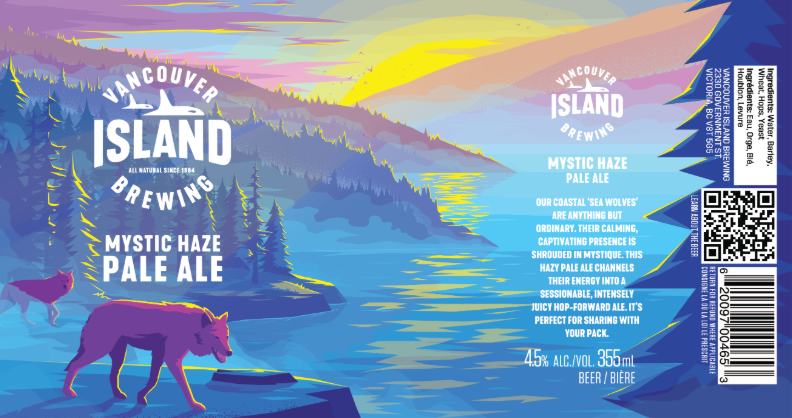
Beer and Beyond
Expanding Without Losing the Plot
The definition of a brewery is evolving. In 2026, many of the most ambitious operators are no longer limiting themselves to beer alone. They are entering adjacent categories, launching non-alcoholic offerings, and creating experiential extensions that broaden relevance and unlock new revenue streams.
This expansion is not about chasing trends. It is about meeting consumers where they are, across more occasions and consumption preferences, while reinforcing the brand’s core point of view.
The Rise of Adjacent Categories
Non-alcoholic beer, hard seltzers, RTDs, spirits, and functional beverages are no longer side projects. For many breweries, they represent meaningful volume and strategic insurance against category volatility.
The brands that succeed in these spaces do so by leveraging existing trust. Consumers are more willing to trial new formats when they come from a brand they already recognize and respect. The challenge lies in extending the brand without stretching it beyond credibility.
Guardrails Matter
Not every extension makes sense for every brand. The strongest breweries apply clear strategic filters before entering new categories. They ask whether the product aligns with their brand values, audience expectations, and long-term positioning.
When extensions feel arbitrary, they dilute brand equity. When they feel inevitable, they strengthen it. Clear guardrails help teams say no as often as they say yes, preserving focus as the portfolio expands.
Design as a Signal of Intent
As breweries move beyond beer, design plays a critical role in signaling legitimacy. Packaging and naming must communicate both continuity and distinction. Consumers should immediately recognize the parent brand while understanding that the product serves a different purpose or occasion.
Successful extensions use familiar brand assets selectively. They adapt color, form, and tone to suit the category while maintaining a clear lineage back to the core brand. This approach builds confidence at shelf and reduces friction at trial.
Beyond the Liquid
For many breweries, “beyond” also means experiences. Taprooms, merchandise, collaborations, and community initiatives have become powerful tools for deepening brand affinity. These touchpoints reinforce brand values in ways that products alone cannot.
In an increasingly competitive market, experiences differentiate. They turn customers into advocates and brands into destinations.
Building a Brand Platform, Not a Product Line
The breweries that win long term are thinking in platforms, not SKUs. Each product, category, and experience reinforces a cohesive narrative. Expansion becomes additive rather than distracting.
In 2026, the question is no longer whether breweries should think beyond beer. It is whether they can do so with discipline, clarity, and strategic intent.
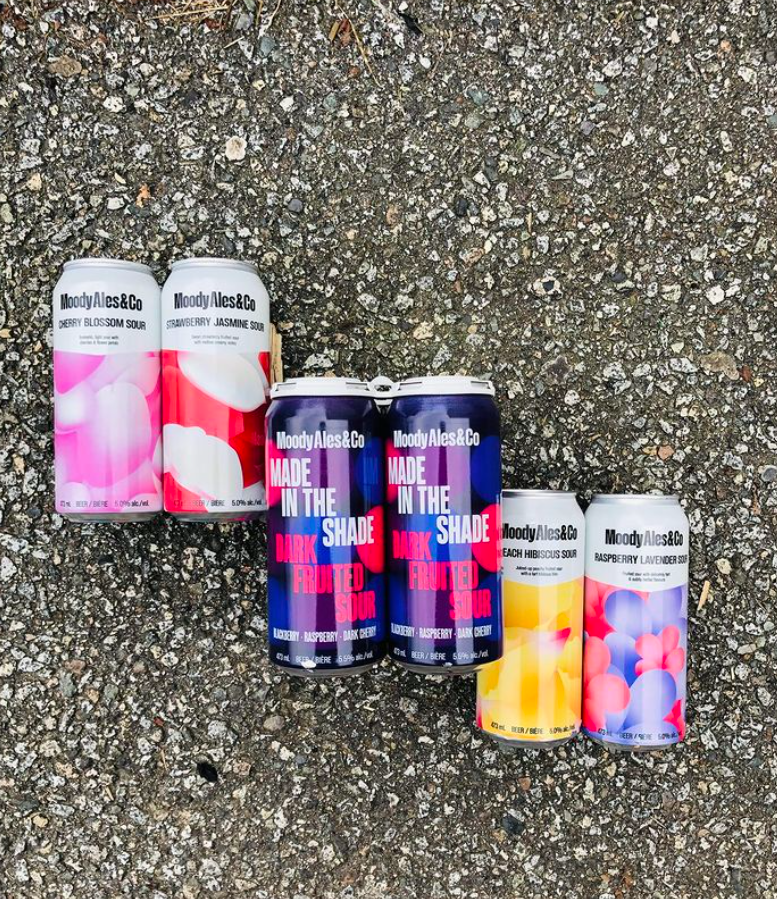
Package Design Trends
Packaging as the Primary Point of Sale
In 2025, packaging is no longer a supporting asset. It is the front line of brand communication. With fewer in-person touchpoints and increasingly compressed decision windows at shelf, packaging must do more work, faster.
The most effective designs are instantly legible. They communicate brand, style, and intent within seconds. Anything that requires explanation or prolonged inspection is at a disadvantage in today’s retail environment.
Clarity Over Cleverness
After years of maximalist experimentation, the market is recalibrating. Brewers are prioritizing clarity, hierarchy, and restraint. This does not mean bland or generic. It means intentional.
Successful packaging systems clearly differentiate between flagship products, seasonals, and limited releases. Typography is readable at distance. Color is purposeful rather than decorative. The result is stronger shelf presence and improved brand recall.
System-Driven Design Wins
Rather than designing cans one-off, leading brands are investing in flexible visual systems. These systems allow variation while preserving cohesion. They make it easier to launch new SKUs without reinventing the wheel or diluting recognition.
This approach also improves operational efficiency. Design timelines shorten. Internal alignment improves. The brand becomes easier to manage as portfolios scale.
Typography Takes the Lead
Type has become a primary brand asset. In many cases, it is doing more heavy lifting than illustration or pattern. Strong typographic systems communicate confidence, maturity, and focus.
Custom or highly considered typefaces help brands stand apart without relying on gimmicks. When paired with disciplined layouts, typography becomes a powerful signal of quality and intent.
Color with Purpose
Color remains one of the fastest ways to differentiate on shelf, but its use is becoming more strategic. Instead of broad palettes, brands are narrowing their color systems and deploying them with discipline.
Flagship products often anchor the palette. Extensions and variants flex within defined boundaries. This consistency improves navigability and reinforces brand equity over time.
Illustration as Narrative, Not Decoration
Illustration has not disappeared, but its role has evolved. Rather than purely ornamental visuals, illustration is increasingly used to convey story, origin, or emotion.
When done well, it adds depth without sacrificing clarity. When overused, it becomes noise. The most effective applications are selective and intentional.
Designing for Longevity
Perhaps the most notable shift is the move away from trend-chasing. Breweries are designing with a longer horizon in mind. Packaging is expected to last years, not seasons.
This mindset prioritizes timelessness over novelty. It reflects a broader maturity in the category, where brands are optimizing for sustained relevance rather than short-term attention spikes.
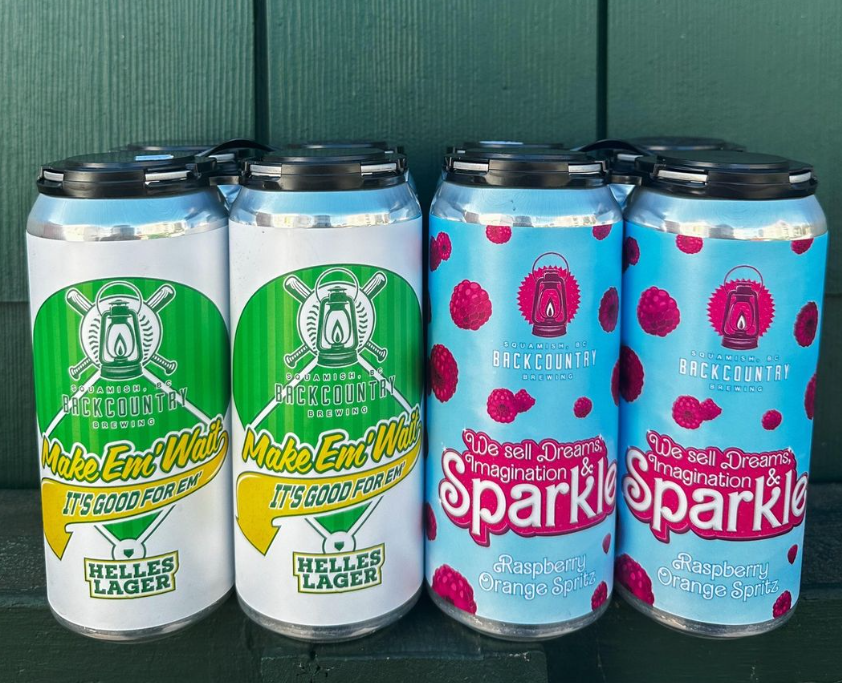
The Strategic Role of Design in 2025
Packaging design is no longer just about aesthetics. It is a strategic tool that influences perception, trial, and loyalty. In a saturated market, it is often the deciding factor.
The brands that perform best in 2025 treat packaging as infrastructure. Built thoughtfully, it supports growth, simplifies expansion, and strengthens competitive position.
What This Means for Export-Ready Breweries
Branding decisions that work domestically do not always translate internationally. When beer crosses borders, the margin for error narrows. Shelf time is limited, buyer attention is fragmented, and consumers often encounter the brand with no prior context. In this environment, branding either accelerates distribution or becomes a hidden barrier.
From an export standpoint, the brands that perform best share several characteristics. Their portfolios are easy to understand at a glance. Their packaging communicates clearly across language and cultural boundaries. Their brand systems are consistent enough to build trust, yet flexible enough to adapt to different retail environments.
In markets across Asia and Latin America, we consistently see buyers favor brands that reduce risk. Clean brand architecture, disciplined packaging systems, and a coherent product lineup signal operational maturity. They tell a buyer that the brewery understands scale, logistics, and long-term partnership, not just creative expression.
Conversely, overly complex portfolios, inconsistent visual language, or hyper-local references that do not travel well often slow negotiations or limit listings to one-off SKUs. In export markets, clarity converts faster than cleverness.
For breweries serious about international growth, branding should be evaluated through a commercial lens. Does this lineup make sense to someone seeing it for the first time? Can a distributor explain the range in under thirty seconds? Does the packaging hold its own on shelf next to global brands?
In 2025, export readiness is as much about brand discipline as it is about liquid quality. Breweries that align branding with distribution realities position themselves to scale efficiently, protect margins, and build durable presence in global markets.
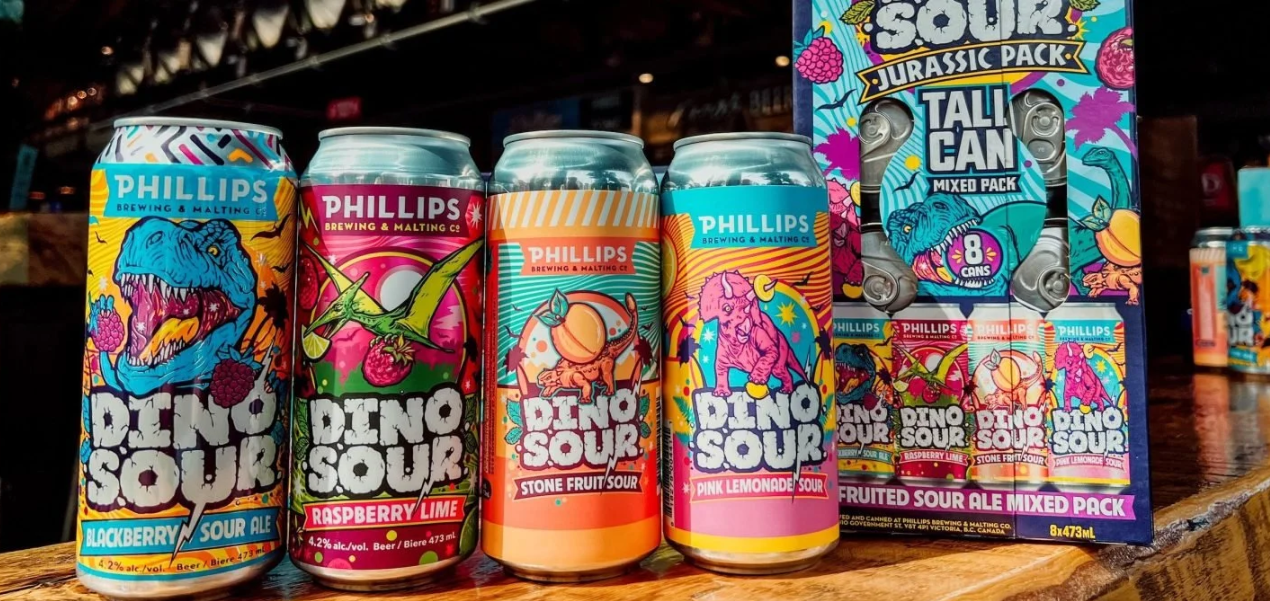
Closing Perspective
Branding has become one of the most decisive factors in whether a brewery successfully scales beyond its home market. In an environment where buyers are inundated with options and consumers make decisions in seconds, clarity, consistency, and intent matter more than ever.
From PacRIM Distributors’ vantage point, the breweries that perform best internationally are not necessarily the loudest or most experimental. They are the most disciplined. Their brands are easy to understand, their portfolios are thoughtfully structured, and their packaging communicates value without explanation. These brands travel well. They earn trust quickly. They scale efficiently.
As global beer markets continue to mature, the bar for export readiness will rise. Branding will increasingly function as infrastructure, not decoration. Breweries that invest in systems rather than one-off designs position themselves for sustained growth across channels and geographies.
For producers evaluating their next phase of expansion, the question is no longer whether branding matters. The question is whether your brand is built to move.