Manila Craft Beer Market: Strategic Overview and Consumer Drivers
We just got back from Manila and WOW - the market has significant changed in the last 3 years. Makati and BGC and Taguig are on frire. The craft beer ecosystem in Metro Manila is gaining measurable traction as part of the broader Philippine beer landscape. While mainstream lagers continue to dominate total volume, strategic pockets of demand for artisanal and small-batch brews are emerging, driven by urbanization, rising disposable incomes, and lifestyle shifts among Millennials and Gen Z.
Market Growth and Value Proposition
The Philippines craft beer segment was valued at approximately USD 642 million in 2024, and industry forecasts project strong expansion through 2033. Craft beer is growing at an annual rate notably above the overall beer category, which is expanding more modestly.
Manila, as the country’s financial and gastronomic hub, accounts for the largest share of craft beer consumption, supported by a dense population of cosmopolitan drinkers and a dynamic on-premise environment (brewpubs, gastropubs, festivals).
Local breweries are incorporating indigenous Filipino flavors such as ube, calamansi, and tropical fruits to build distinct brand identities that resonate with both local consumers and experiential tourists.
Craft beer events and festivals—especially in Makati and Bonifacio Global City—are doubling as high-impact marketing platforms, enabling consumer education and product discovery
Strategic Demand Drivers in Manila
Premiumization Trend — Urban drinkers increasingly trade up from mass-produced lagers to premium craft options that offer differentiated taste narratives.
Experiential Consumption — Craft breweries with tasting rooms, tours, and curated pairings are creating lifestyle-oriented demand beyond simple price competition.
Influencer and Social Outreach — Digital engagement on platforms like Instagram and TikTok amplifies visibility for boutique brewhouses, helping to shape Manila’s beer culture.
Manila RTD (Ready-to-Drink) Alcoholic Beverages: Market Dynamics
RTD beverages in Manila are part of a broader Philippines trend where convenience, portability, and flavor experimentation are reshaping how alcohol categories grow.
Market Size and Growth Trajectory
The RTD alcoholic beverage market in the Philippines is forecast to nearly double by 2031, expanding at a compound annual growth rate (CAGR) above 10%. This reflects upticks in consumer preference for grab-and-go products and lifestyle convenience.
Manila functions as a primary launch and trial market for new RTD variants due to its dense retail footprint, diverse nightlife districts, and robust e-commerce infrastructure.
Competitive and Consumer Trends
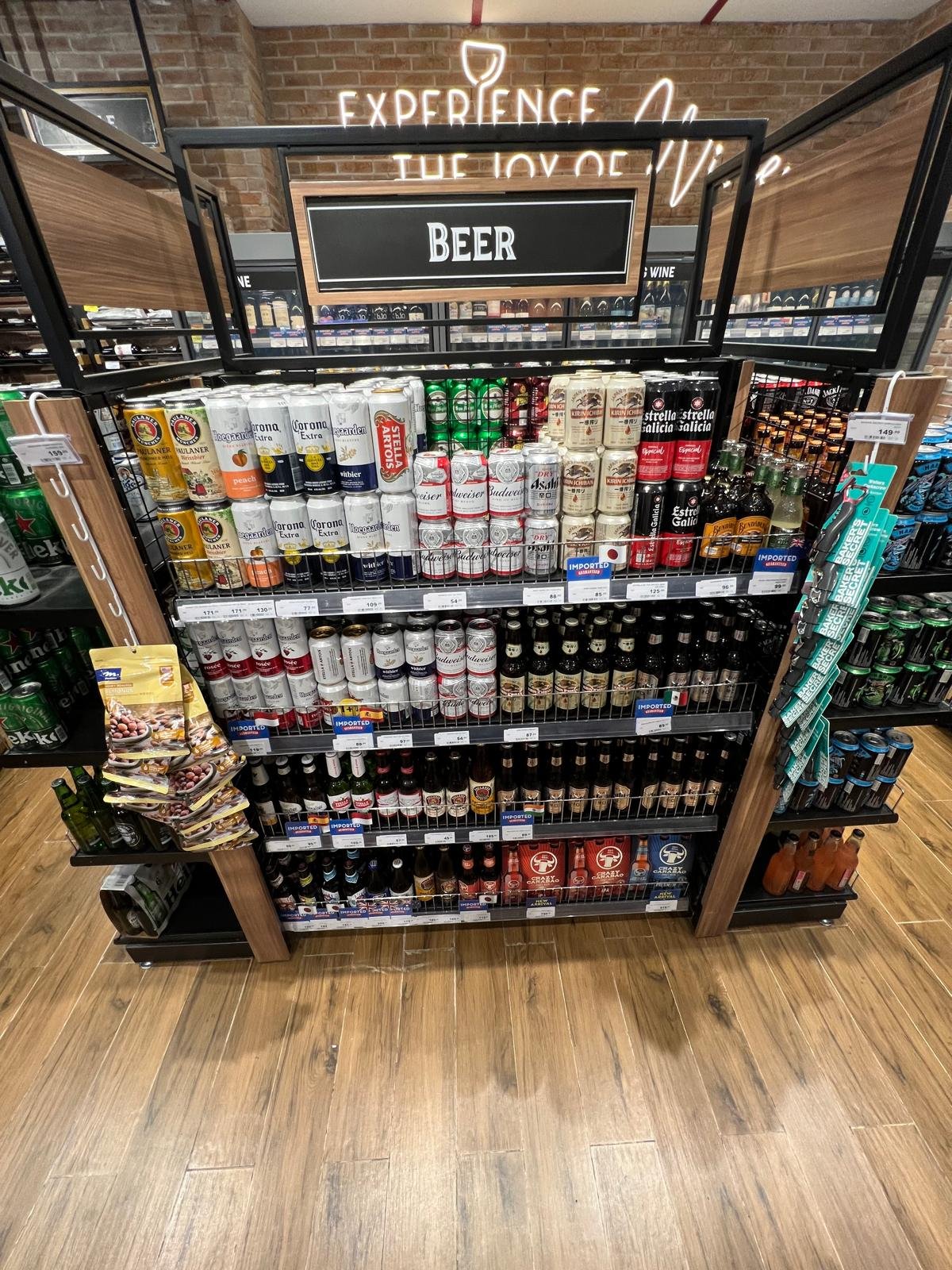
Flavor Diversification — Consumers in Manila are demonstrating a strong appetite for RTDs with innovative flavor profiles that blend local sensibilities with global cocktail trends (e.g., citrus-forward, tropical fruits, craft-style gin and tonic blends).
Low-Alcohol and Health-Aware Options — Low-ABV and reduced sugar RTDs are gaining traction with drinkers who prioritize moderation without sacrificing taste.
Brand Penetration Strategies — Major global spirits and beer producers are entering the RTD space with localized formulations, leveraging existing distribution networks and Manila’s high-visibility retail channels.
On-Trade and Off-Trade Synergy — Bars and nightlife venues in Manila are doubling as experimentation zones for RTD formats, while supermarkets and convenience stores provide breadth of access for habitual purchase patterns.
Market Outlook and Strategic Implications
For brands targeting Manila:
Position craft beer as a premium lifestyle segment, not a niche hobby beverage. Content that highlights local ingredients, brewing stories, and pairing experiences will align with discerning consumer intent.
RTDs should be framed around convenience and flavor innovation, optimized for Manila’s hybrid urban lifestyle where at-home consumption intersects with social occasions.
Digital discovery is foundational. SEO assets that map local search intent around terms like “artisan beer Manila,” “best RTD cocktails Philippines,” and “premium craft brews Metro Manila” will capture meaningful organic traffic.
Overall, the Manila craft beer and RTD markets are converging toward premium, story-led, and convenience-driven segments. These trends offer clear content opportunities for brands to differentiate themselves in search rankings while aligning with evolving consumer preferences.
Overhaul: Filipino Drinking Culture, and what it means for craft beer and RTDs in Manila
From a commercial standpoint, alcohol consumption in the Philippines, and especially in Metro Manila, is shaped less by category loyalty and more by social context, group behavior, and accessibility. Understanding this cultural layer is critical if you are positioning imported craft beer or RTD products for sustainable sell-through.
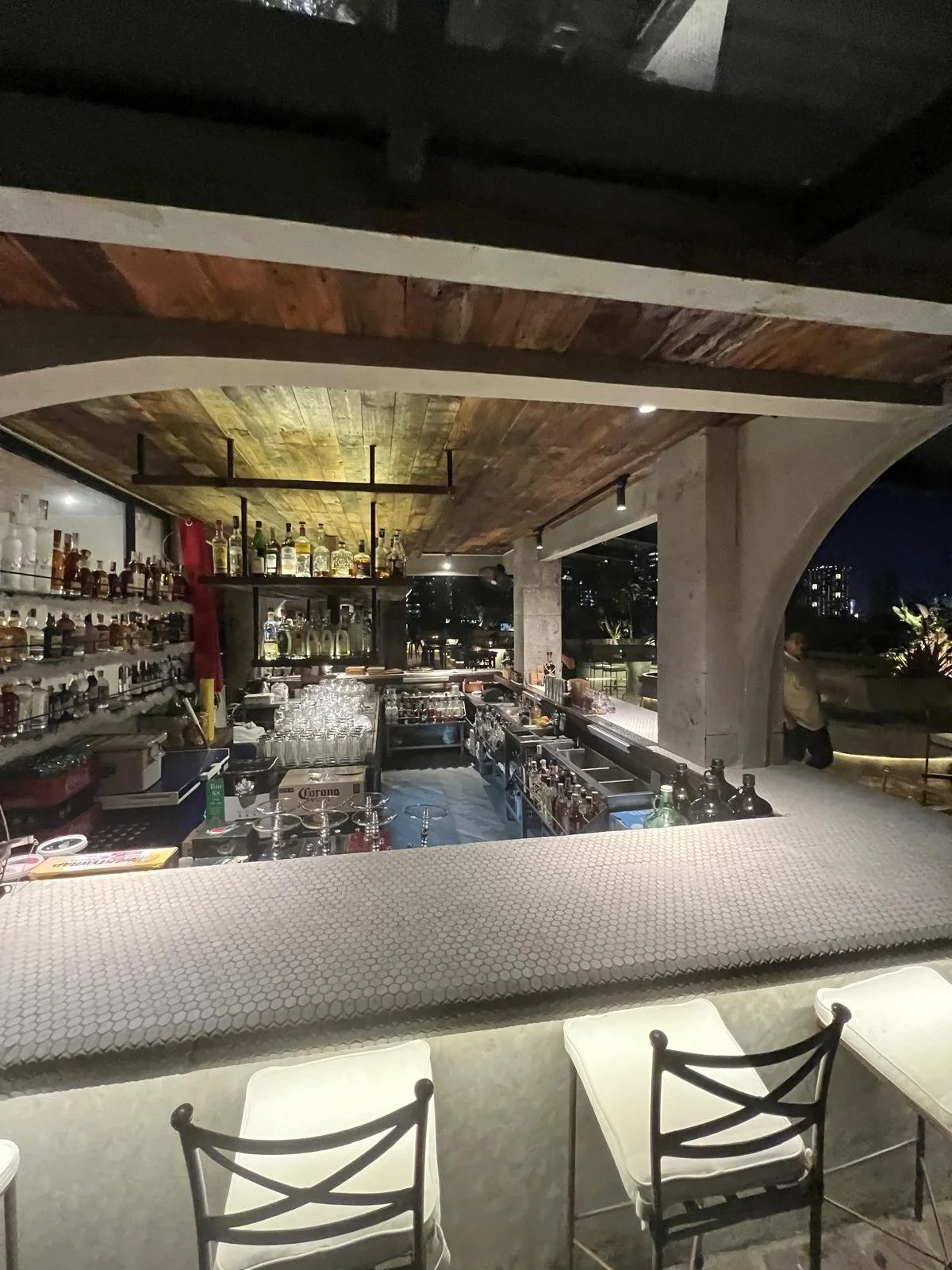
Drinking is primarily social, not transactional
In the Philippines, drinking is overwhelmingly group-led. Occasions are anchored around friends, family, and colleagues rather than individual consumption. The cultural practice commonly referred to as tagayan (shared drinking) still strongly influences how products are chosen and consumed.
This has two direct implications for brand strategy in Manila and surrounding business districts:
Packs, formats, and price points must support shared use, not just single-serve trial.
Products that are easy to understand, easy to open, and easy to pass around outperform technically complex or heavily “educational” SKUs.
For craft beer brands, this means highly experimental styles tend to convert better when positioned as “something fun to try with the group”, rather than as a connoisseur product.
For RTDs, it reinforces the importance of approachable flavor, low bitterness, and light carbonation.
Food-first culture drives flavor selection
Drinking in Manila is structurally linked to food. Alcohol is rarely the primary event. It is an accessory to meals, street food, and late-night dining.
This behavior is especially visible in after-work districts such as:
Makati
Bonifacio Global City
Quezon City
In practical terms, this creates a strong advantage for:
lighter, cleaner beers (pilsners, light ales, wheat beers),
fruit-forward or citrus-led RTDs,
and lower perceived alcohol heat.
Heavy, high-IBU, high-ABV craft styles face a narrower conversion window unless paired directly with a food-led venue strategy.
From an SEO and content positioning perspective, keywords and on-page content that tie products to pairing moments (street food, grilled meats, late-night dining, shared plates) materially outperform generic “best craft beer” narratives.
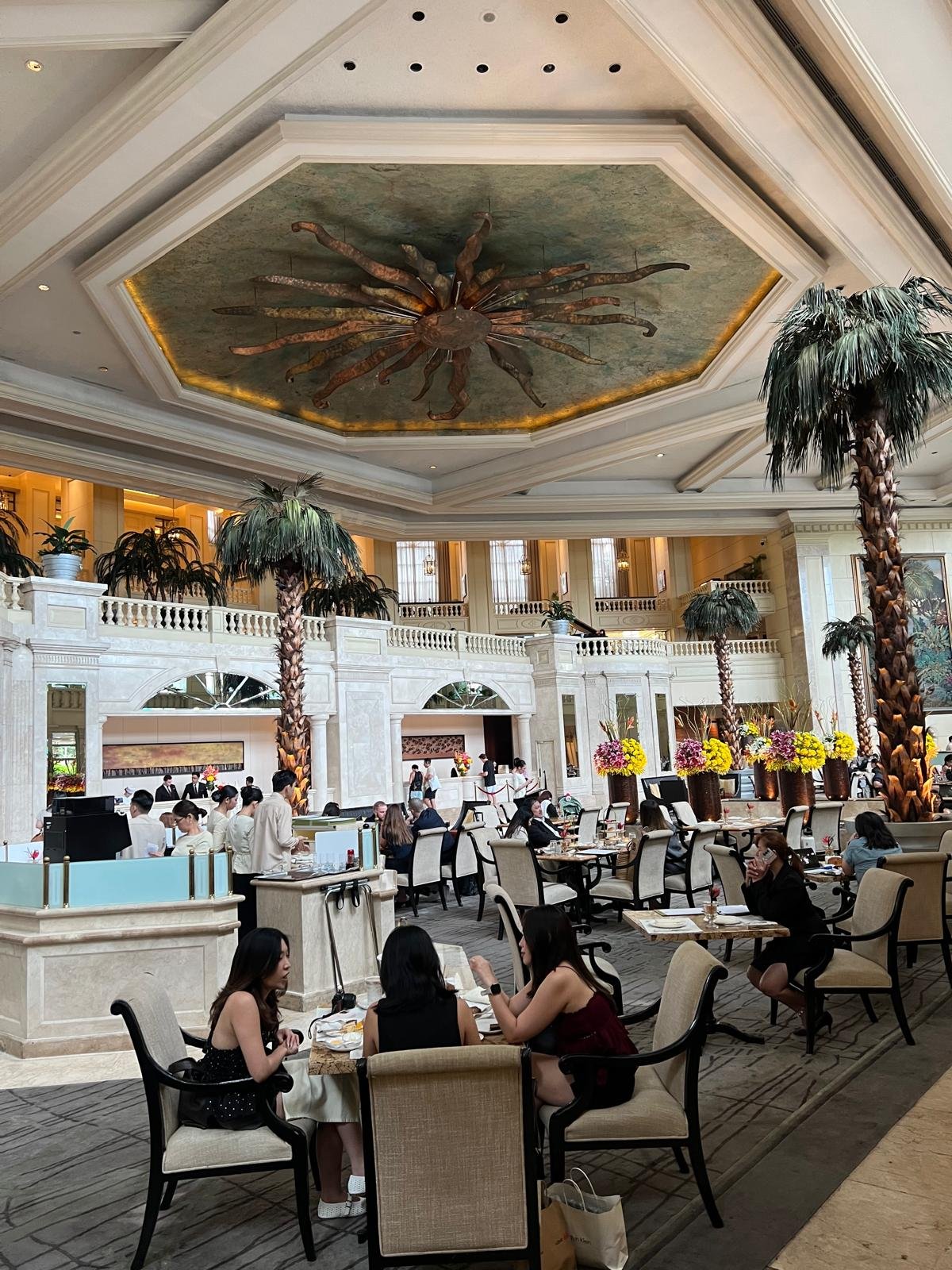
Retail chains that actually matter for craft beer and RTDs in Metro Manila
From a go-to-market perspective, modern trade in Metro Manila is highly concentrated. If you are serious about volume, repeat purchase and brand visibility for imported craft beer and RTDs, three banners materially shape outcomes.
S&R Membership Shopping
Why S&R matters
S&R functions as the closest Philippine equivalent to Costco. It is one of the most credible national launch pads for imported alcohol brands, particularly in Metro Manila.
Commercial reality
Shopper profile skews:
higher household income,
overseas-exposed consumers,
and business buyers (restaurants, small bars, resellers).
Alcohol is a traffic driver, not a peripheral category.
Imported beer and RTDs over-index versus local brands compared to supermarkets.
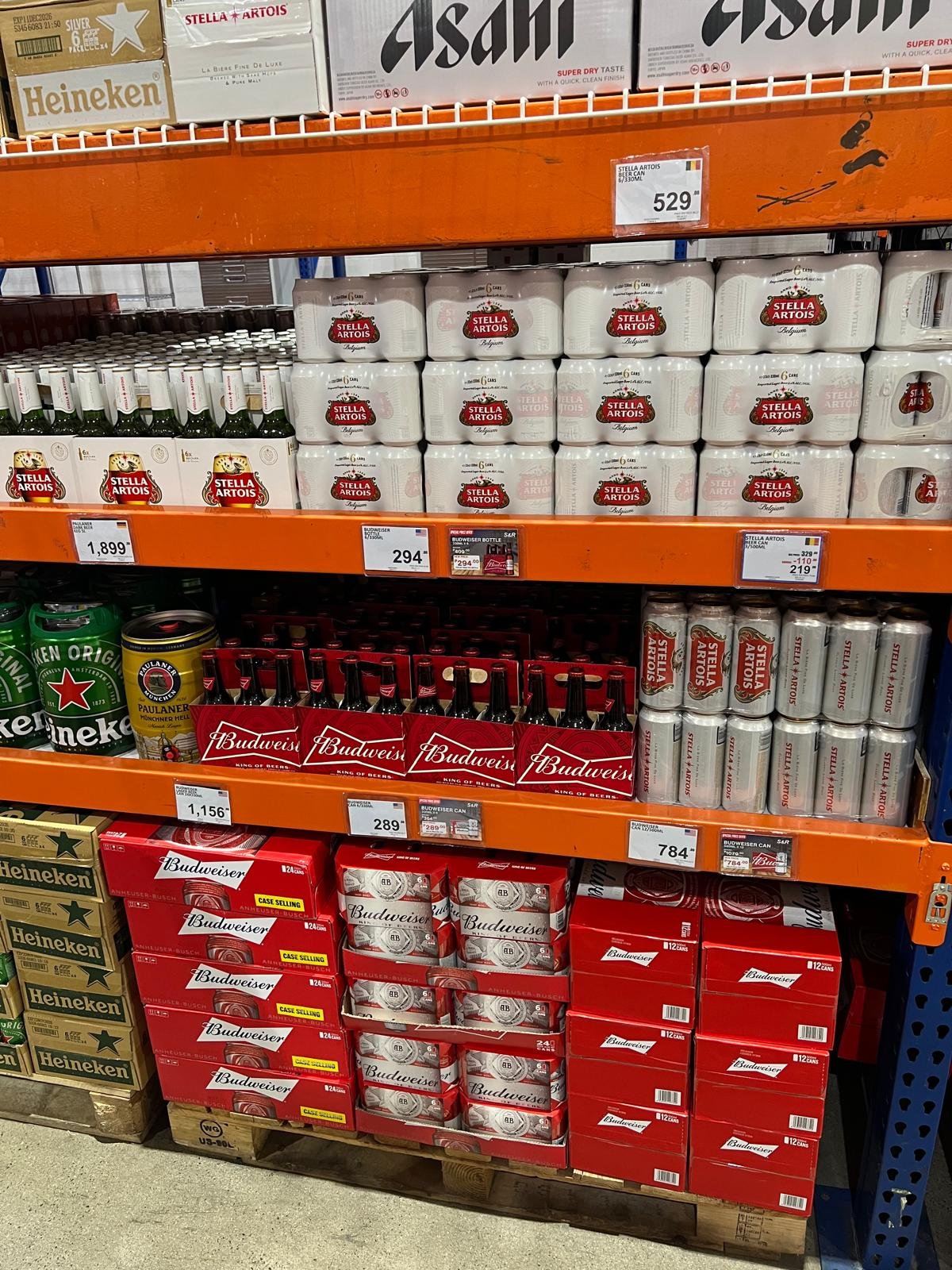
What performs in S&R
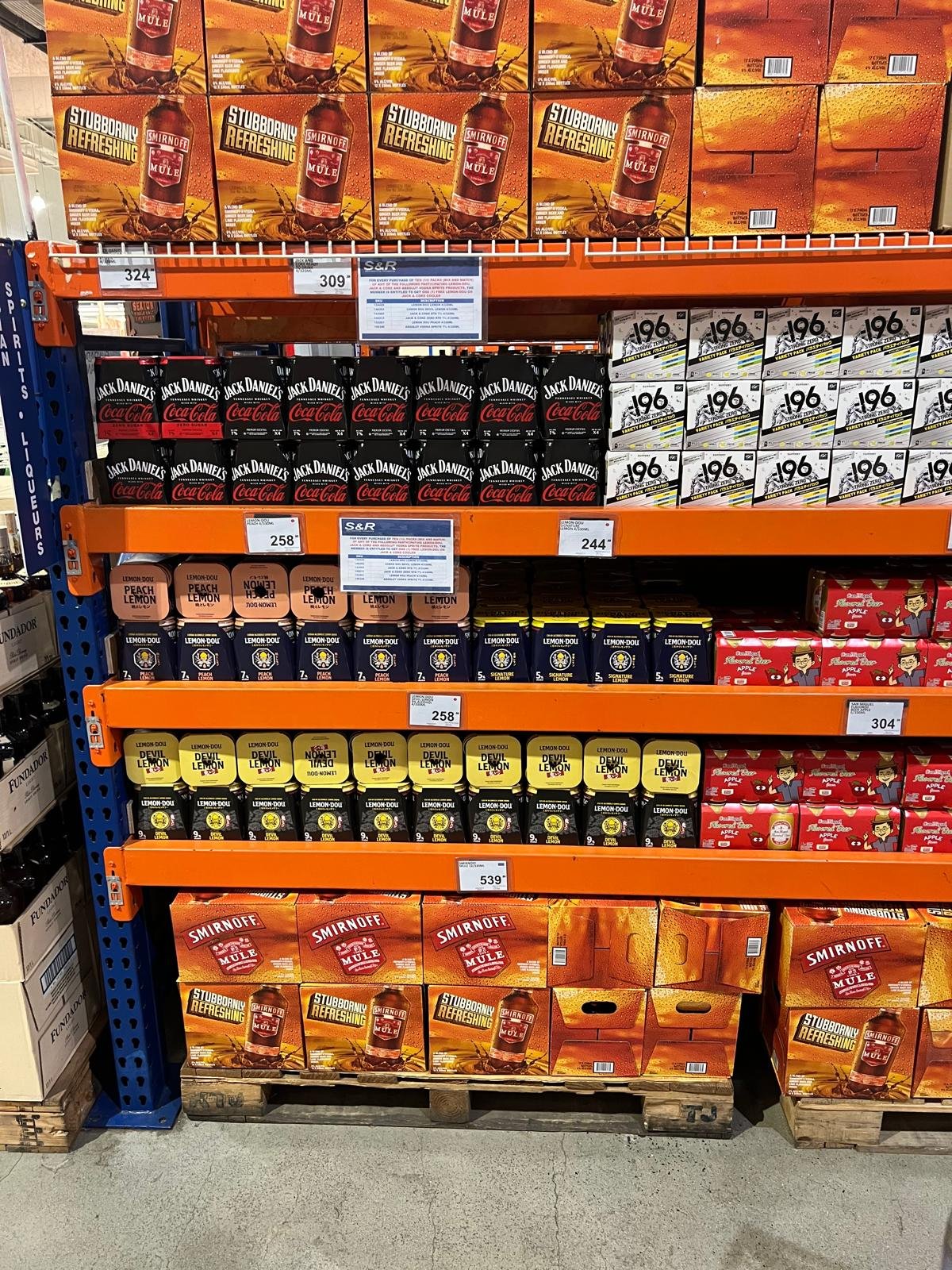
Multi-packs and value bundles.
Clear international provenance (Canada, US, Japan, Australia, Europe).
Straightforward flavor profiles and recognizable formats.
Strategic implication
For exporters like PACRIM Distributors, S&R is a scale validation channel.
If a SKU cannot turn in S&R, it is very difficult to justify broader national roll-out.
For SEO positioning, S&R-aligned content converts strongly around:
“imported beer in Manila,” “bulk RTD packs Philippines,” and “warehouse club alcohol Philippines.”
Shopwise
Why Shopwise matters
Shopwise operates in the mainstream modern grocery channel and competes on accessibility and price perception. It plays a different role from S&R and should not be treated as a premium showcase banner.
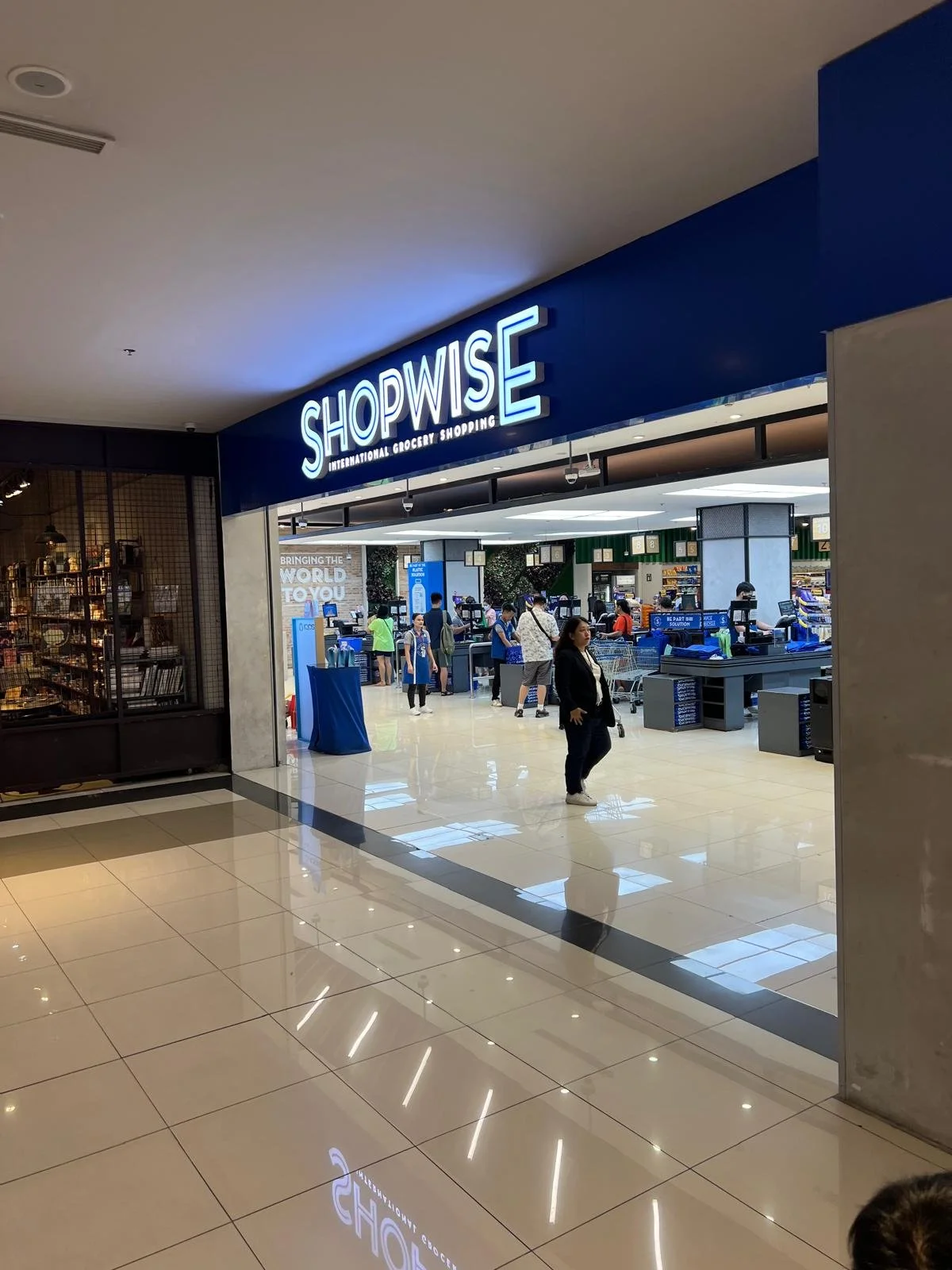
Commercial reality
Shopper base is broad and family-oriented.
Alcohol purchases are predominantly:
occasion-driven,
food-linked,
and highly price sensitive.
What performs in Shopwise
Entry-premium craft beers.
RTDs that sit close to mainstream pricing.
Highly recognizable flavors (citrus, lychee, calamansi, berry, light cocktails).
Strategic implication
Shopwise is a velocity channel, not a brand-building channel.
If your objective is:
steady weekly sell-through,
and trial from non-specialist drinkers,
Shopwise is structurally more important than most niche grocers.
From a search and content standpoint, Shopwise-style demand aligns with:
“affordable imported beer Philippines,” “ready to drink cocktails supermarket Manila,” and “best RTD drinks in Manila grocery.”
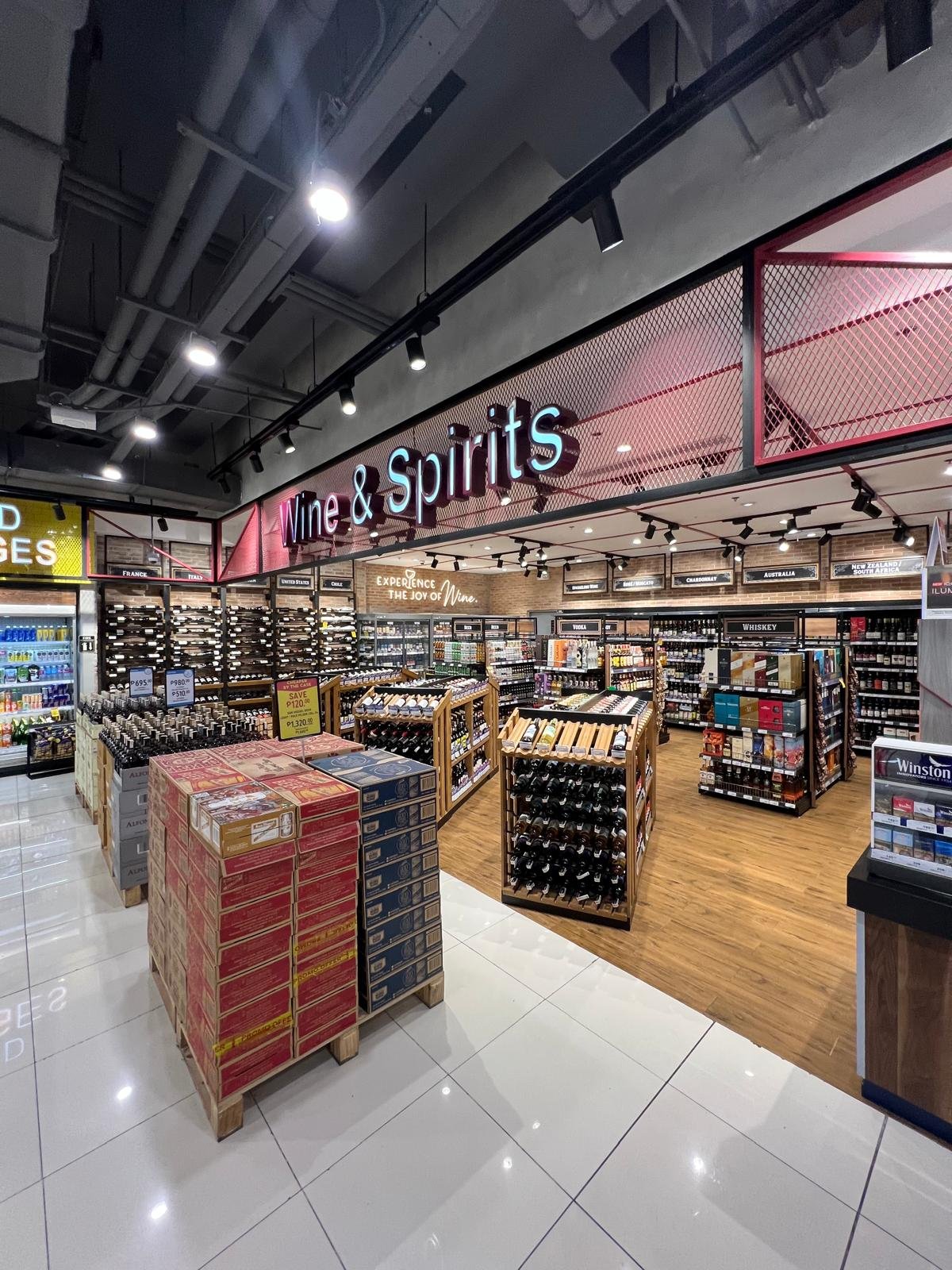
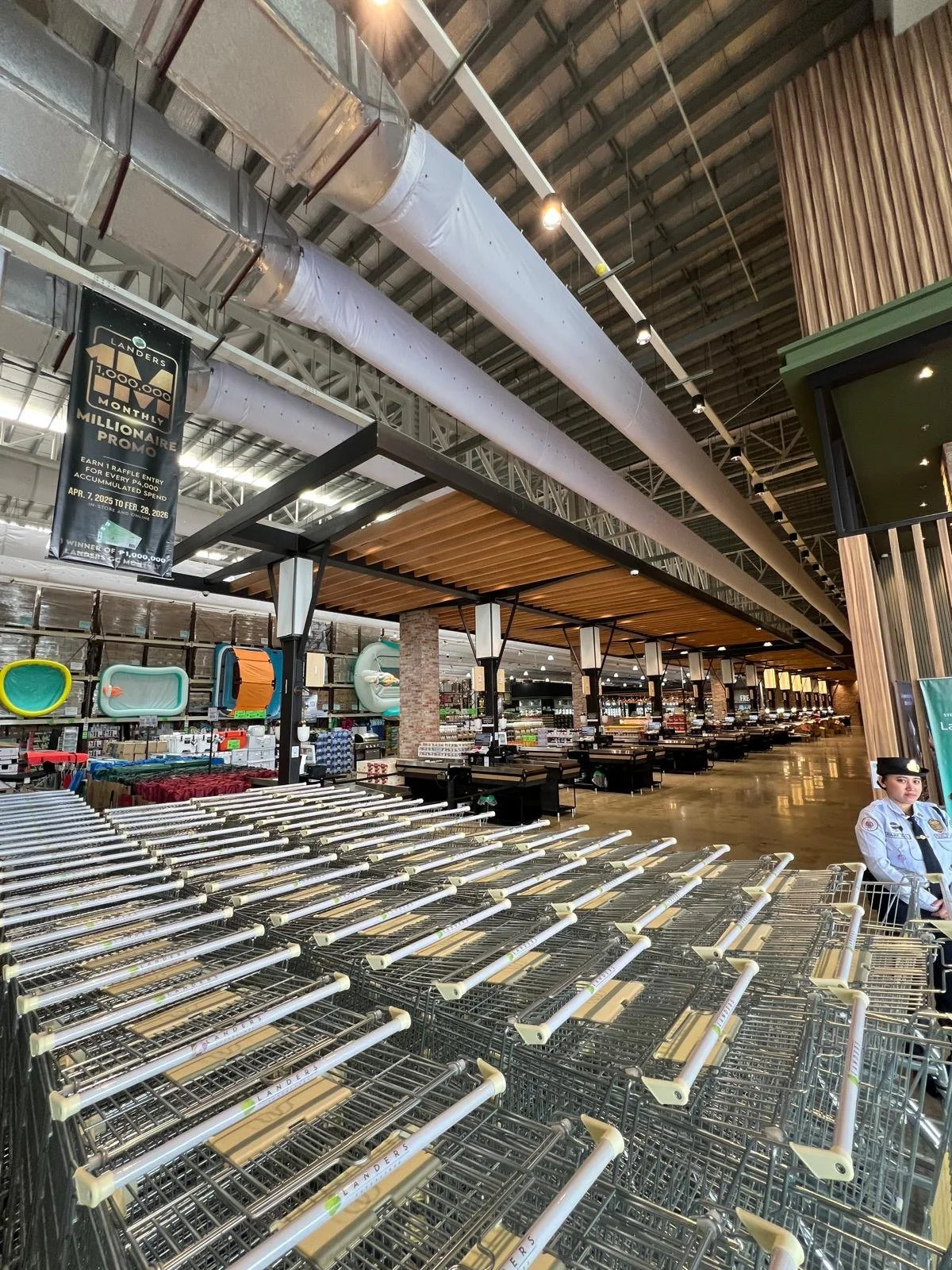
Landers Superstore
Why Landers matters
Landers sits between S&R and premium supermarkets in terms of shopper mindset. It attracts aspirational, younger urban households and is significantly more brand-responsive.
Commercial reality
Strong presence in high-income residential catchments.
High openness to new formats and international brands.
Alcohol is positioned as part of a broader lifestyle basket.
What performs in Landers
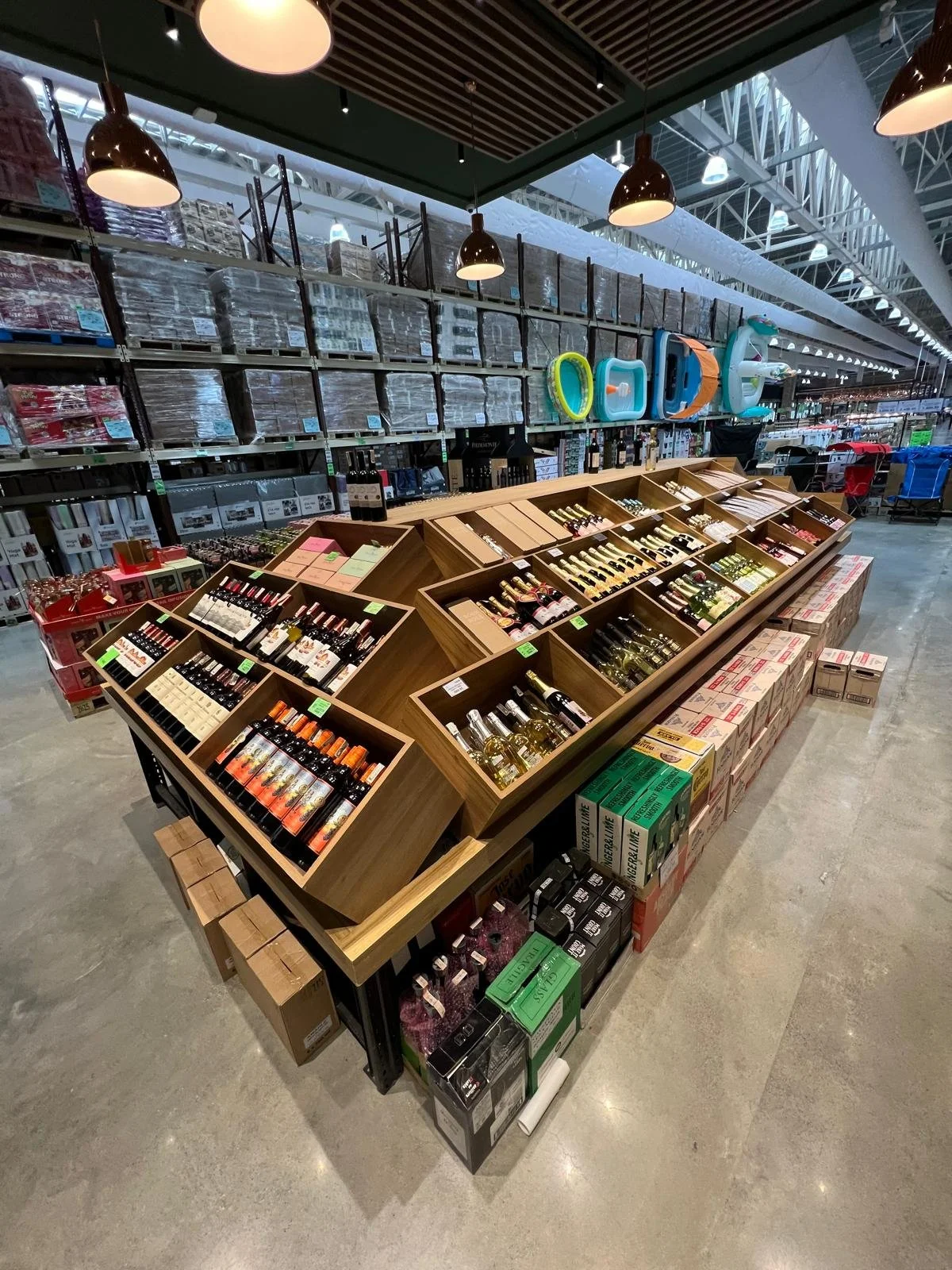
Premium-leaning craft beer packs.
Imported RTDs with:
clean branding,
contemporary design,
and lighter, sessionable ABV.
Limited editions and seasonal SKUs.
Strategic implication
Landers is one of the strongest early-stage platforms for:
new imported RTD concepts,
and premium craft beer positioning.
It is particularly effective for:
building early brand equity,
and generating social sharing inside Manila’s urban professional demographic.
SEO and content that ties into Landers-style shopping behavior performs best around:
“premium imported drinks Philippines,” “best RTDs for home gatherings Manila,” and “new alcohol brands Landers Philippines.”
Channel strategy reality check for Manila
From a commercial execution standpoint, these three banners serve distinct but complementary roles:
BannerPrimary roleBest use case for imported craft beer & RTDsS&RScale and validationMulti-packs, value bundles, broad appeal importsShopwiseVelocity and everyday accessEntry-premium SKUs, mainstream flavorsLandersBrand building and innovationPremium packs, new RTD formats, lifestyle positioning
For exporters and distributors entering Metro Manila, the optimal sequencing is:
Landers for positioning → S&R for scale → Shopwise for sustained velocity.
Trying to launch simultaneously across all three without differentiated pack architecture and pricing typically compresses margins and weakens brand clarity.
In short, success in Manila retail is not about getting listed everywhere.
It is about aligning each banner with a specific commercial job to be done in your portfolio.