
RTDs vs Craft Beer in 2026: What Global Buyers Are Actually Ordering Right Now
If you work in beverage import, distribution, or retail, you’ve probably felt it already. Orders are shifting. Shelf space is changing. And what used to be a “nice-to-have” category is now driving real revenue.
Over the past few months, our team at PACRIM Distributors has been on the ground in Taiwan, Japan, the Philippines, and most recently Mexico through the ANTAD trade mission. Not conferences. Not theory. Actual buyer meetings, store visits, pricing checks, and long hours in aisles watching what people pick up and what they walk past.
This article breaks down what we’re seeing in real terms, what is actually selling right now, and how to position your portfolio going into 2026.

Who We Are (and Why This Perspective Matters)
PACRIM Distributors is a Vancouver-based export and distribution company focused on Canadian craft beer, RTDs, ciders, and premium beverages. We’ve been in business for over 10 years and currently work across more than 20 international markets.
We supply into a mix of channels including large-format retail, convenience, and premium grocery. Our focus is simple. Move product that sells, structure programs that scale, and reduce risk for our partners.
Everything below comes from what we’ve seen firsthand in market.
The Big Shift: RTDs Are No Longer Optional
Let’s start with the headline.
RTDs are not a trend anymore. They are a core category.
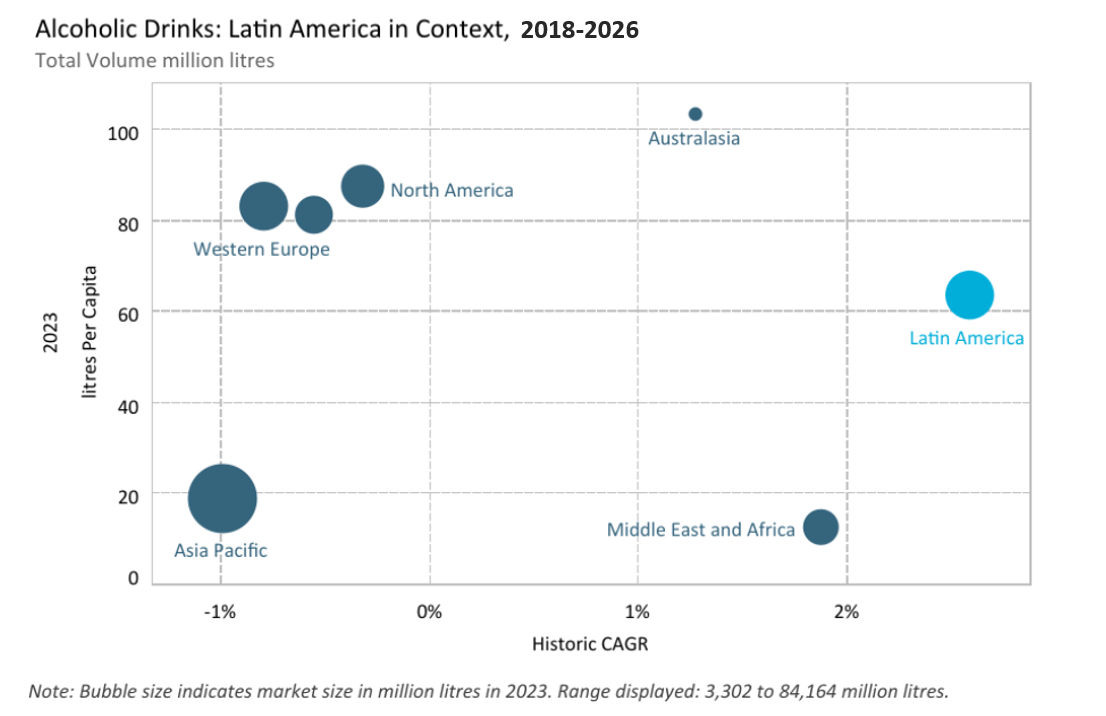
Globally, the RTD market has already crossed $40 billion USD and is projected to exceed $80 billion within the next five years. In many markets, growth is sitting in the 10 to 15 percent range annually, which is significantly faster than traditional beer.
That sounds like a headline you’ve read before. Here’s what it actually looks like in stores.
In Japan, entire sections of convenience stores are now dedicated to RTDs. Not tucked away, but front-facing, high-traffic placement. In Taiwan, retailers are actively expanding RTD shelf space quarter over quarter. In the Philippines, the category is still ramping, but velocity is clearly building. In Mexico, major chains are leaning into canned cocktails because they move quickly and generate strong margins.
The takeaway is simple. If you are not carrying RTDs, you are leaving money on the table.
Why RTDs Are Winning (Beyond the Obvious)
Everyone says “convenience” and leaves it at that. That’s only part of the story.
Yes, consumers want something easy to drink. Yes, they want consistency. But the real reason RTDs are winning comes down to repeatability.
RTDs deliver the same experience every time. That drives repeat purchases. Repeat purchases drive velocity. Velocity drives shelf space.
There is also a major operational advantage that doesn’t get talked about enough.
Most RTDs have a shelf life of up to three years.
For importers and distributors, this changes everything. You can bring in larger volumes without worrying about expiry pressure. You can optimize container loads. You can plan further out. And most importantly, you reduce the risk of being stuck with inventory that needs to be discounted just to move.
When you are shipping across continents, shelf life is not just a feature. It is a strategic advantage.
One buyer we met in Asia said it best. Beer is exciting. RTDs are reliable. Reliable products are easier to scale.
What’s Happening to Craft Beer
Craft beer is not going away. But its role is changing.
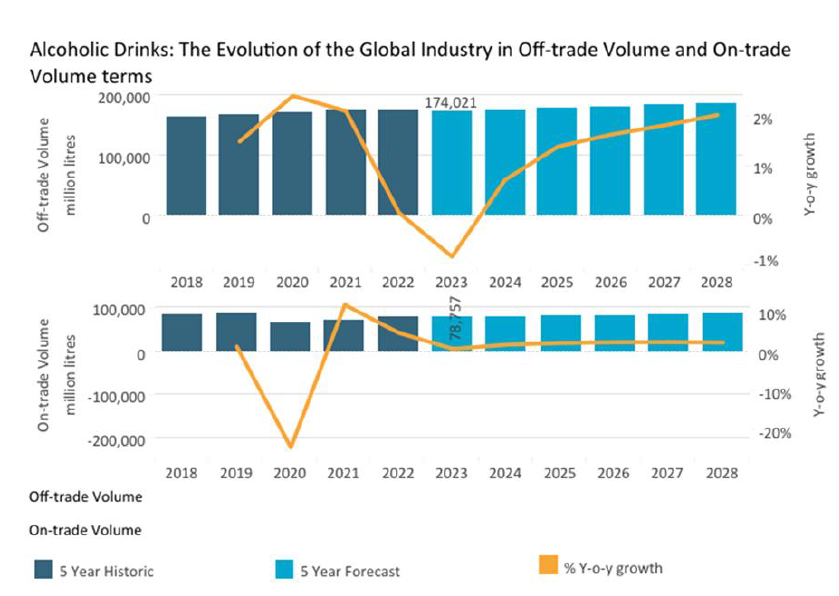
Globally, the craft beer market is still worth well over $100 billion USD. In many international markets, imported craft beer, especially from Canada and the US, still carries a strong premium perception.
Consumers see it as higher quality, more authentic, and more interesting than mass-produced alternatives.
That part has not changed.
What has changed is how it fits into a portfolio.
Craft beer used to be the growth engine. In many markets now, it is the differentiation layer.
In other words, craft beer helps you stand out. RTDs help you scale.
The most effective distributors we are working with are not choosing one or the other. They are combining both.
The Portfolio That Is Actually Working
Across Taiwan, Japan, the Philippines, and Mexico, we are seeing the same pattern.
The portfolios that perform best are balanced.
They typically include:
A core RTD offering that drives consistent volume
A curated selection of craft beer that builds brand value
Supporting categories like cider or hybrid beverages to fill gaps
This mix allows distributors to hit multiple consumer segments at once. It also gives retailers a more complete offering, which increases the likelihood of repeat orders.
In practical terms, this is what buyers are asking for:
Products that turn quickly
Products that have strong margins
Products that are easy to manage operationally
And ideally, products that tell a story
RTDs check the first three boxes. Craft beer checks the fourth. Together, they work.
What We Saw in Each Market
A few quick observations from recent travel that may be useful.
Japan
Highly developed RTD market. Shelf space is already mature. Competition is strong, but so is demand. Imported products need clear positioning and competitive pricing.
Taiwan
Rapid expansion in RTDs. Retailers are actively experimenting with new SKUs. Opportunity exists for differentiated products with strong branding.
Philippines
Emerging growth in RTDs. Younger consumers are driving adoption. Craft beer still plays well in urban areas, especially when paired with a broader portfolio.
Mexico
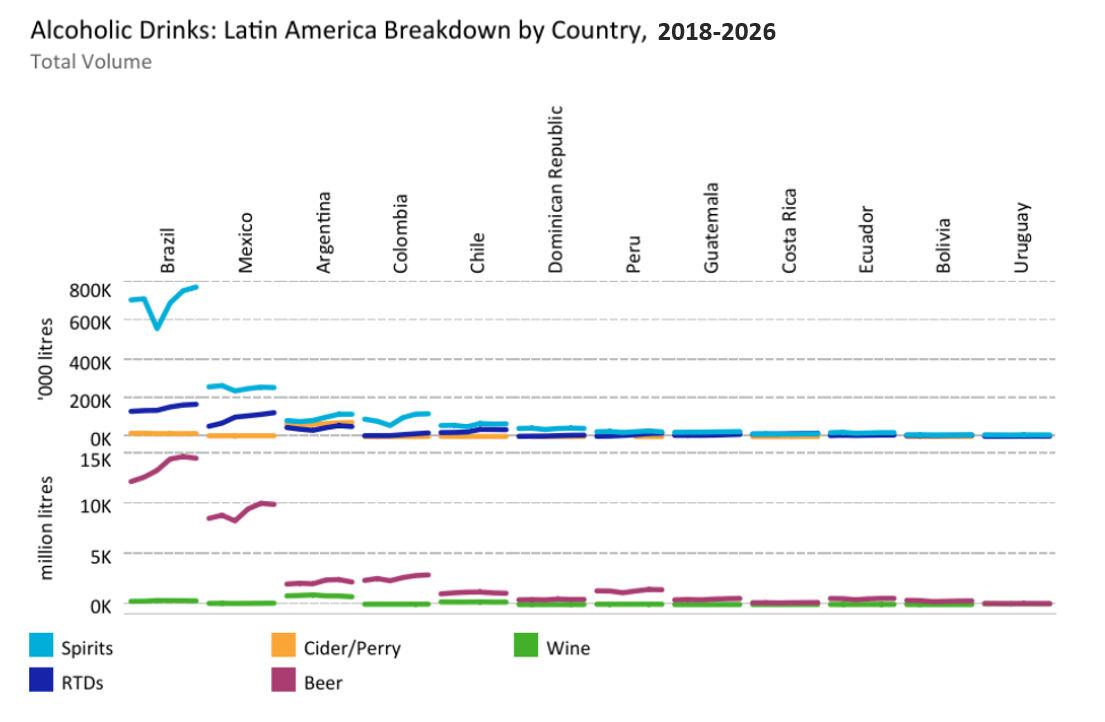
One of the most interesting markets right now. Large retailers are prioritizing RTDs due to turnover and margin. Strong opportunity for both RTDs and select craft SKUs.
The Reality for Buyers in 2026
If you are a distributor or retailer, the question is no longer whether RTDs matter. It is how quickly you can integrate them effectively.
At the same time, removing craft beer entirely is not the answer. It still plays a key role in premium positioning and customer engagement.
The opportunity is in getting the mix right.
That means:
Selecting RTDs that are proven to sell, not just trendy
Pairing them with craft beer that has a clear identity
Structuring orders in a way that optimizes logistics and reduces risk
The operators who get this right are the ones who will grow.
Where PACRIM Fits In
At PACRIM Distributors, this is exactly what we focus on.
We work with partners to build portfolios that are designed for real-world performance. That includes:
Product selection based on market demand
Pricing aligned with local conditions
Support on logistics and export compliance
Structuring shipments for efficiency, whether full containers or mixed pallets
We are not trying to sell individual SKUs. We are building programs that can scale over time.
Final Thought
The beverage industry is not slowing down. It is just becoming more selective.
Retailers want products that move. Distributors want products that are easy to manage. Consumers want products that fit their lifestyle.
RTDs are capturing that demand. Craft beer is evolving alongside it.
If you are aligned with both, you are in a strong position.
If you are not, now is the time to adjust.

Looking to Source or Expand Your Portfolio?
If you are currently sourcing RTDs, evaluating new craft beer options, or looking to expand your portfolio in 2026, we are happy to connect.
We can provide:
Current product lists
Market-specific recommendations
Pricing for container programs or mixed pallets
Reach out directly at info@pacrimdistributors.com and we can put something together based on your market and channel.
Even a quick conversation can give you a clearer picture of what is working globally right now.
And in this market, that kind of clarity is valuable.