
How to Import Canadian Craft Beer into Taiwan (2025 Edition)
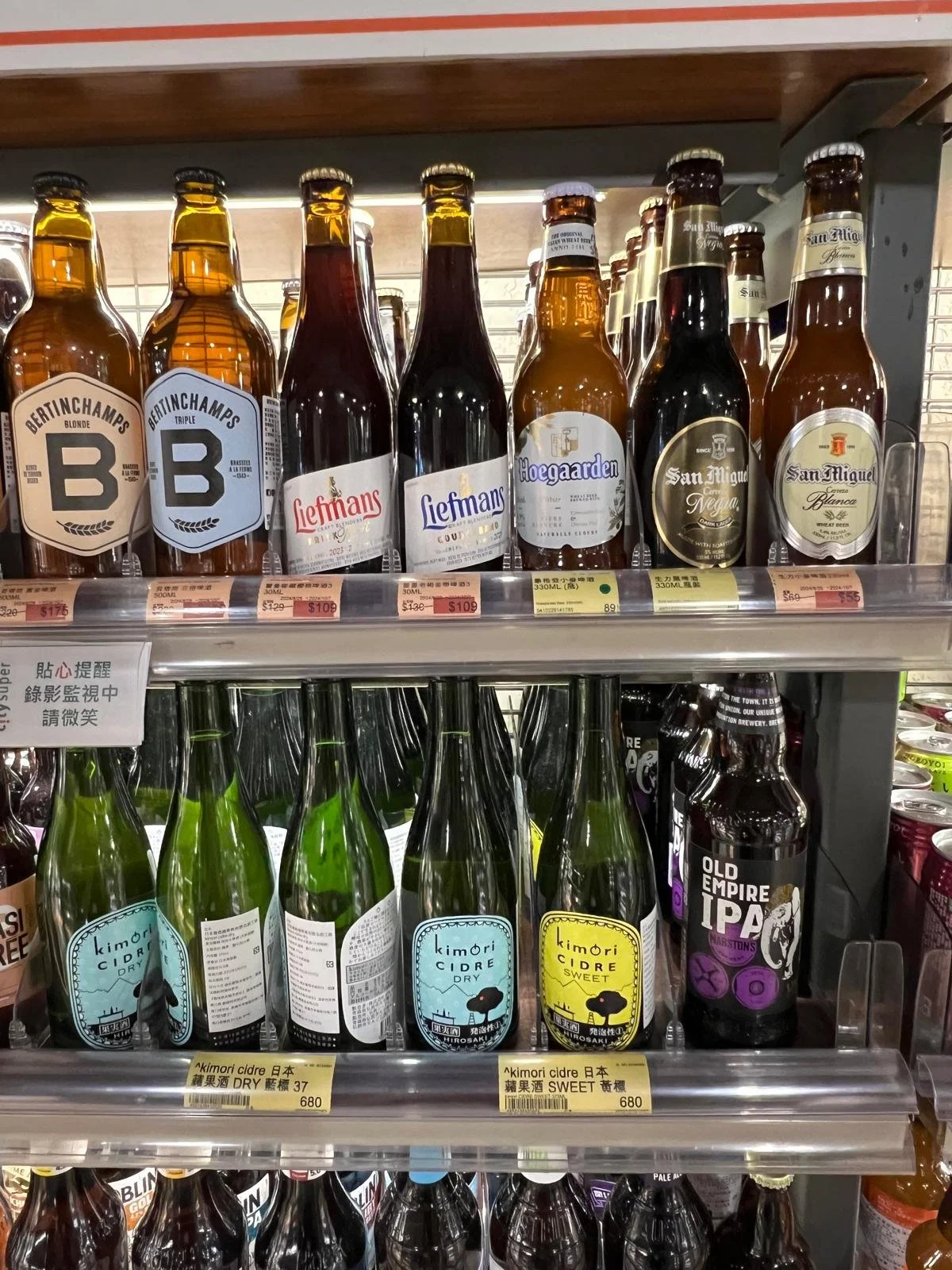
Walk into a bottle shop in Taipei or a night market in Taichung and you’ll notice something new. The shelves are no longer filled with only mass-market lagers. More drinkers are reaching for premium, international, and small-batch beers. That shift has opened the door for Canadian craft breweries, which are known for quality, creativity, and clean brewing standards.
If you’re thinking about bringing Canadian craft beer into Taiwan, there’s good reason. The demand is real, the margins are healthy, and the logistics are easier than most people think. Here’s a practical guide on how to do it right in 2025.
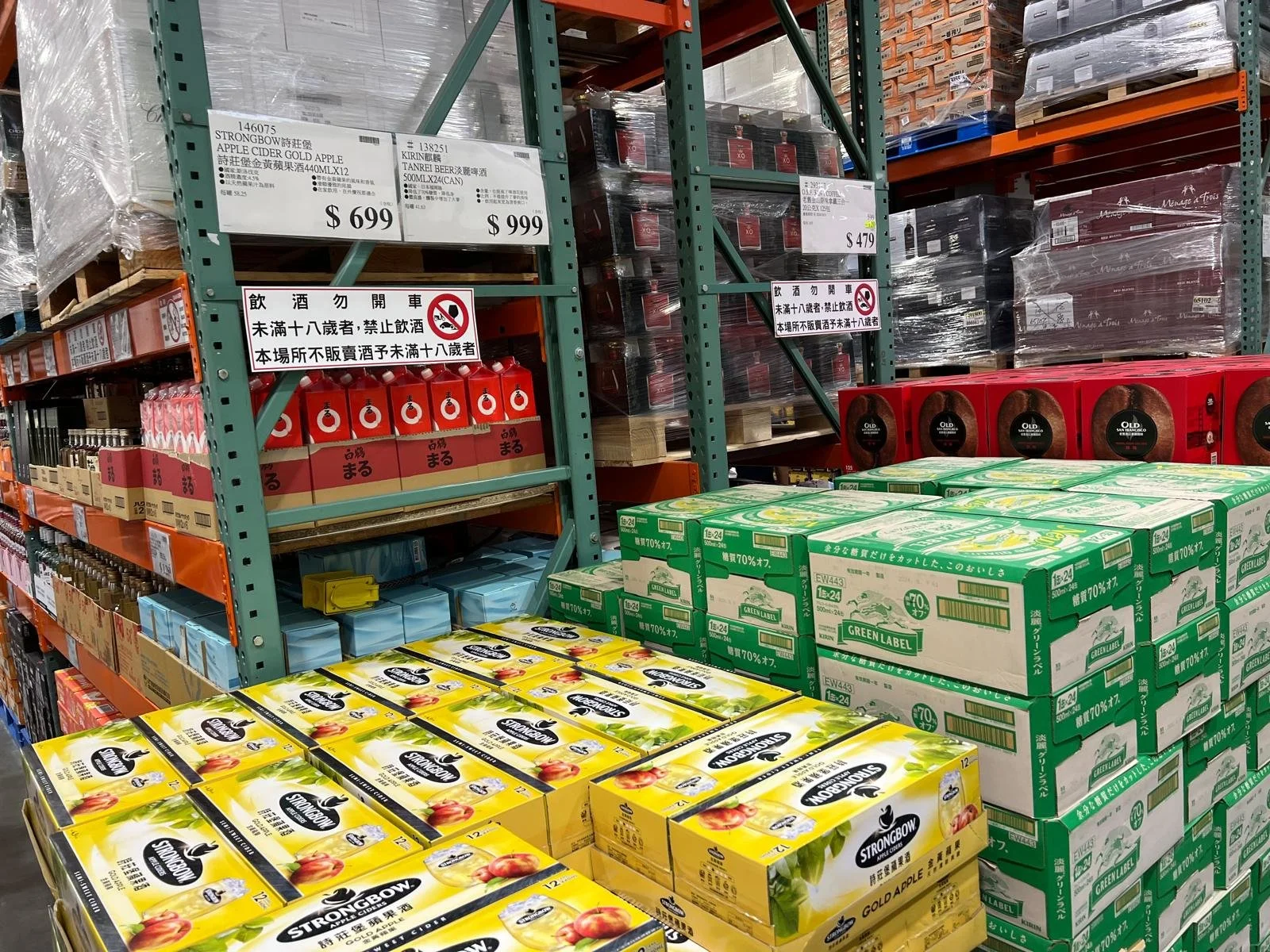
1. Know the Market
Taiwan’s beer drinkers have evolved quickly. Over the last few years, imported craft beer has grown from a niche category into a core part of the premium beverage market. Younger consumers are looking for variety, authenticity, and fresh seasonal releases.
Canadian beer stands out for its natural ingredients, award-winning styles, and strong reputation for quality control. Products that perform best in Taiwan tend to be sessionable pale ales, IPAs, fruit-forward ciders, and clean lagers that handle warm climates well.
2. Get the Right Import License
To legally import alcohol into Taiwan, your company or your local partner needs an alcohol import license from the Ministry of Finance (MOF). This license allows you to bring alcoholic beverages into the country and sell them through retail or wholesale channels.
Here’s what’s required:
A registered Taiwanese business address.
An alcohol import license under TTLC or MOF.
A warehouse or bonded storage location for customs inspections.
If you work with an established distributor, they usually already have the proper permits in place. That’s often the simplest route for breweries or exporters just entering the market.
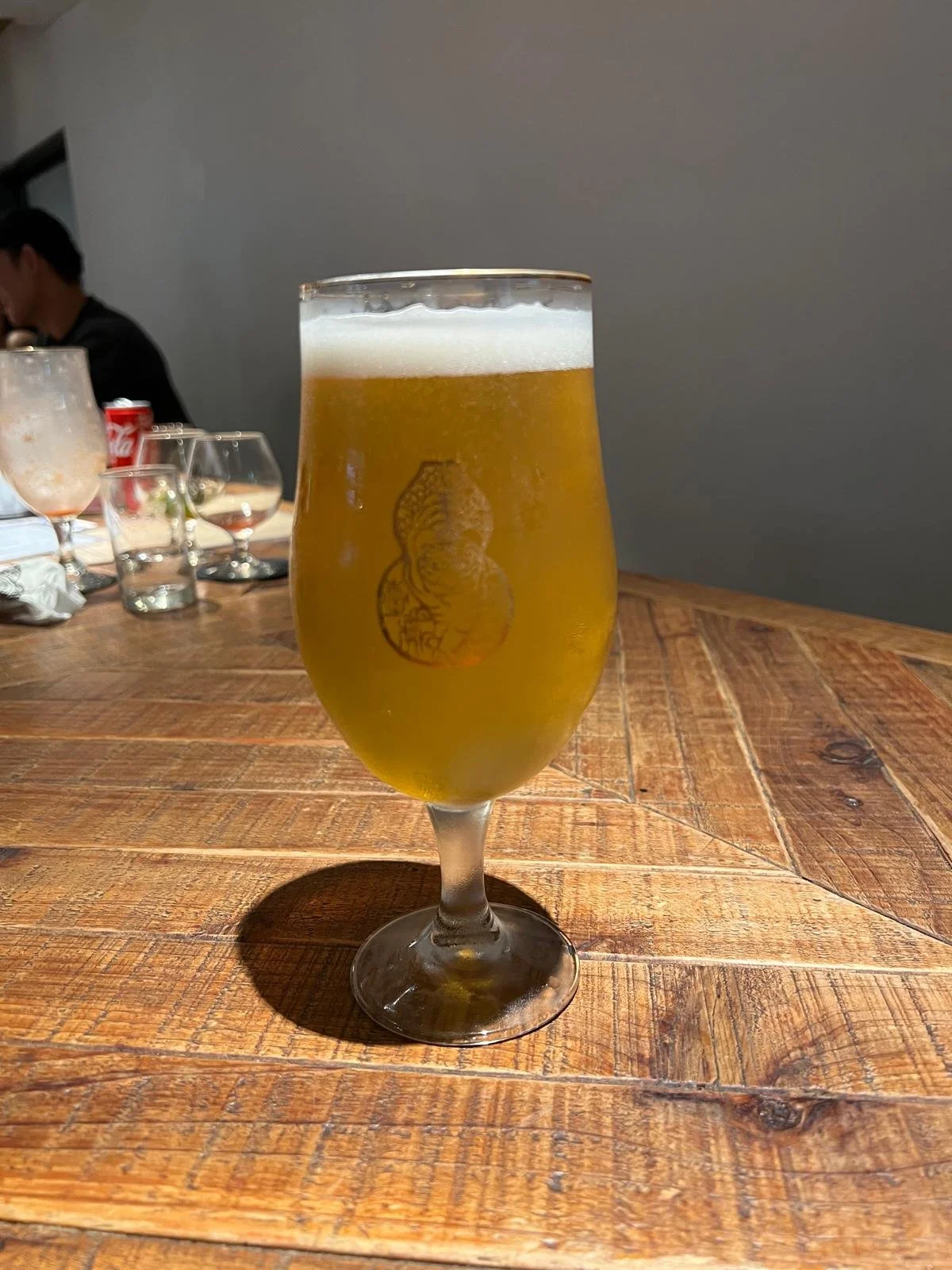
3. Labeling and Product Testing
Before Canadian craft beer can hit store shelves, every SKU must be tested and registered with local authorities. Taiwan’s regulations focus on consumer safety and clear labeling.
You’ll need to prepare:
Chinese-language labels listing the product name, ABV, net volume, ingredients, origin, importer, and health warnings.
Sample bottles sent for lab testing to verify alcohol content and preservatives.
Digital copies of artwork and translations submitted for approval.
Tip: bilingual labels perform better in retail stores. Taiwanese shoppers appreciate English authenticity but want to understand what they’re buying.
4. Logistics and Cold Chain
Shipping beer from Canada to Taiwan typically takes 17 to 22 days port-to-port. Most importers use refrigerated or temperature-controlled containers to protect freshness, especially for unpasteurized or hop-heavy styles.
In 2025, freight costs for a 40-foot container from Vancouver to Kaohsiung range from USD $6,000 to $7,500 depending on season and fuel charges.
Essential export documents include:
Commercial invoice and packing list
Certificate of Origin
Bill of Lading
Certificate of Analysis (for customs, if required)
A reliable freight forwarder can consolidate orders from multiple breweries, which helps reduce costs and streamline customs.
5. Partner with the Right Distributor
Finding the right partner in Taiwan is the most important step. A strong distributor understands the market, holds the proper licenses, and already supplies restaurants, bottle shops, and retailers.
At PACRIM Distributors, we help Canadian breweries connect with qualified importers who value long-term partnerships. We consolidate product from across Canada, manage documentation, and coordinate shipping directly into Asia. Our partners in Taiwan handle sales, brand training, and compliance so breweries can focus on brewing, not bureaucracy.

6. Marketing and Positioning
Taiwan’s craft beer drinkers care about story and authenticity. Brands that share their origin, ingredients, and philosophy tend to perform better. Marketing should highlight:
Canada’s natural environment and clean brewing standards.
Awards or sustainability practices.
Seasonal or limited-edition releases.
Social media platforms like Instagram, LINE, and Dcard are essential for connecting with younger audiences. Collaborations with local bars or influencers can also help build early awareness.
7. Duties and Taxes in 2025
Here’s what importers can expect this year:
Beer duty: NT$26 per litre (about USD $0.80)
Customs duty: 0–10% depending on HS code
Value-added tax (VAT): 5%
While duties are manageable, pricing strategy matters. Imported craft beer in Taiwan often sells at retail margins of 30–50 percent, which allows room for marketing and logistics costs.
8. Avoiding Common Mistakes
A few simple errors can cause costly delays. Avoid these pitfalls:
Shipping before confirming import licenses.
Missing label translations or testing documents.
Using non-refrigerated containers for temperature-sensitive beer.
Ignoring cultural preferences in packaging design.
Taking time to prepare your documents and adapt to the local market saves money and builds credibility.

9. The Takeaway
Importing Canadian craft beer into Taiwan in 2025 is straightforward when you have the right plan and partners. The market is growing, consumers are curious, and Canadian breweries are well-positioned to capture attention.
PACRIM Distributors works directly with both breweries and Taiwanese importers to make the process smooth from start to finish. We help handle consolidation, logistics, and compliance so you can focus on growth.
If you’re ready to explore opportunities in Taiwan, visit www.pacrimdistributors.com or contact info@pacrimdistributors.com to start the conversation.
Suggested Keywords
import Canadian craft beer Taiwan, Taiwan craft beer distributor, import alcohol Taiwan, Canadian beer export Asia, PACRIM Distributors